
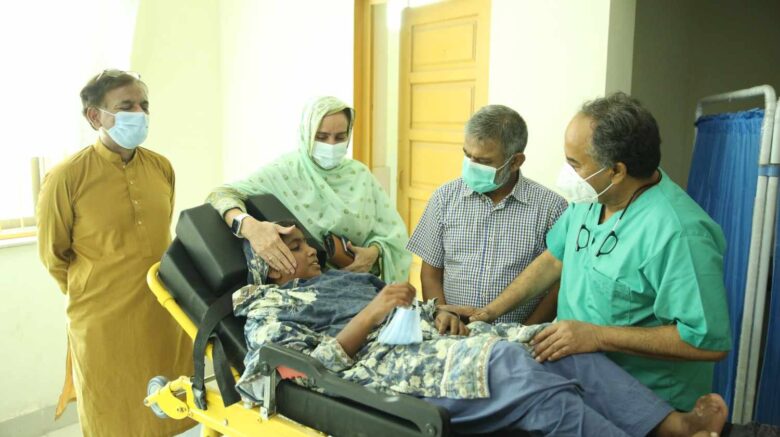
Health Support for Deserving People by Rahe Insaniyat – Care with Dignity
Access to healthcare remains a serious challenge for many families in Pakistan.
For deserving people living with poverty, disability, chronic illness, or sudden medical emergencies, treatment is often delayed not because care is unavailable in principle, but because it is unaffordable, far away, or difficult to navigate.
Even basic needs such as transport, medicines, mobility aids, and hospital supplies can become major barriers.
This is where humanitarian health support becomes deeply important.
Rahe Insaniyat’s work across Punjab includes multiple welfare initiatives, and health support is an essential part of that mission. The organization’s broader public-facing work also includes clean water, ration distribution, housing, and social support, reflecting a community-based approach to human dignity and survival.
This article explains how Rahe Insaniyat supports deserving people through practical, respectful, and responsible healthcare assistance.
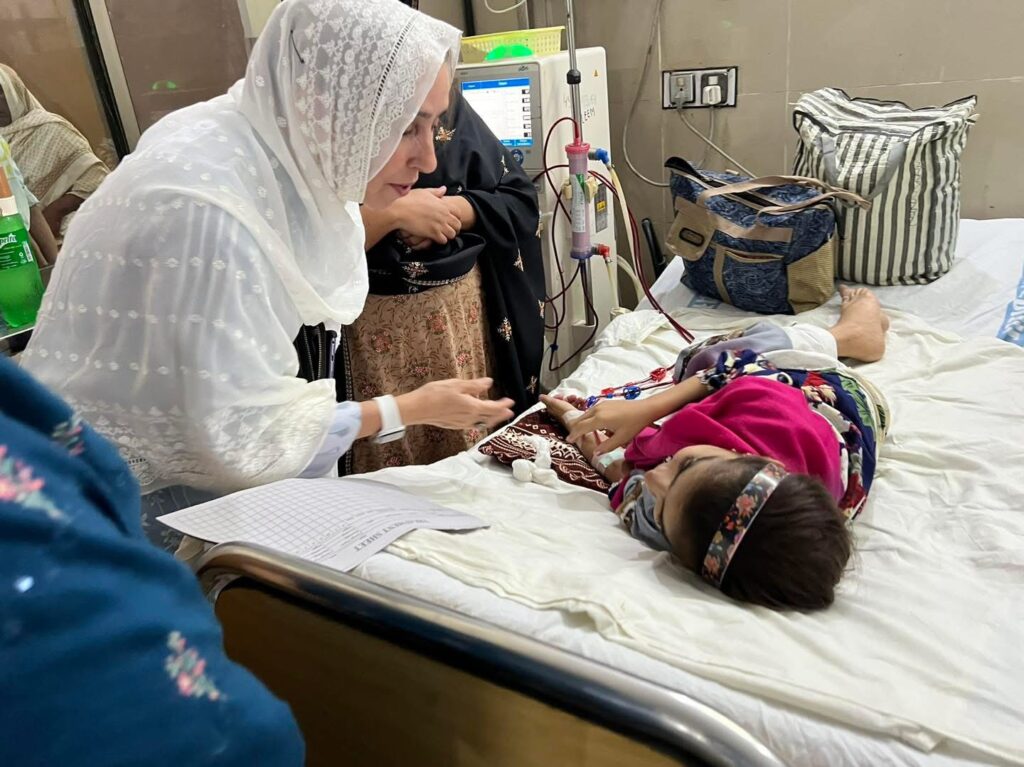
The Need for Accessible Healthcare for Deserving People
Healthcare costs can push already vulnerable families into deeper hardship.
A single illness can affect not only a patient, but an entire household’s income, food security, and stability. When a family must choose between buying medicines and buying groceries, treatment is often delayed.
For people living with disability, the challenge can be even greater.
Mobility limitations affect access to hospitals, clinics, schools, workplaces, and social life. Without a wheelchair or mobility aid, a person may become dependent on others for movement, even when they are otherwise capable and motivated.
Chronic illness also creates long-term pressure.
Families dealing with renal disease, recurring medical needs, or ongoing treatment often face repeated expenses over months or years. In these cases, even small forms of support can make a meaningful difference.
In many communities, the gap is not only medical. It is logistical, financial, and social.
That is why healthcare support for poor families must be handled in a practical and dignified way. It should reduce barriers, protect privacy, and help people access care without shame.
Rahe Insaniyat’s Health Support Program
Rahe Insaniyat’s Health Support Program is built around practical assistance for deserving individuals and families.
Rather than making broad claims, the focus is on targeted support that helps people meet immediate health-related needs and maintain dignity during difficult times.
This includes mobility support, medicine access, hospital assistance, and ongoing health-related initiatives.
Wheelchair and Mobility Support
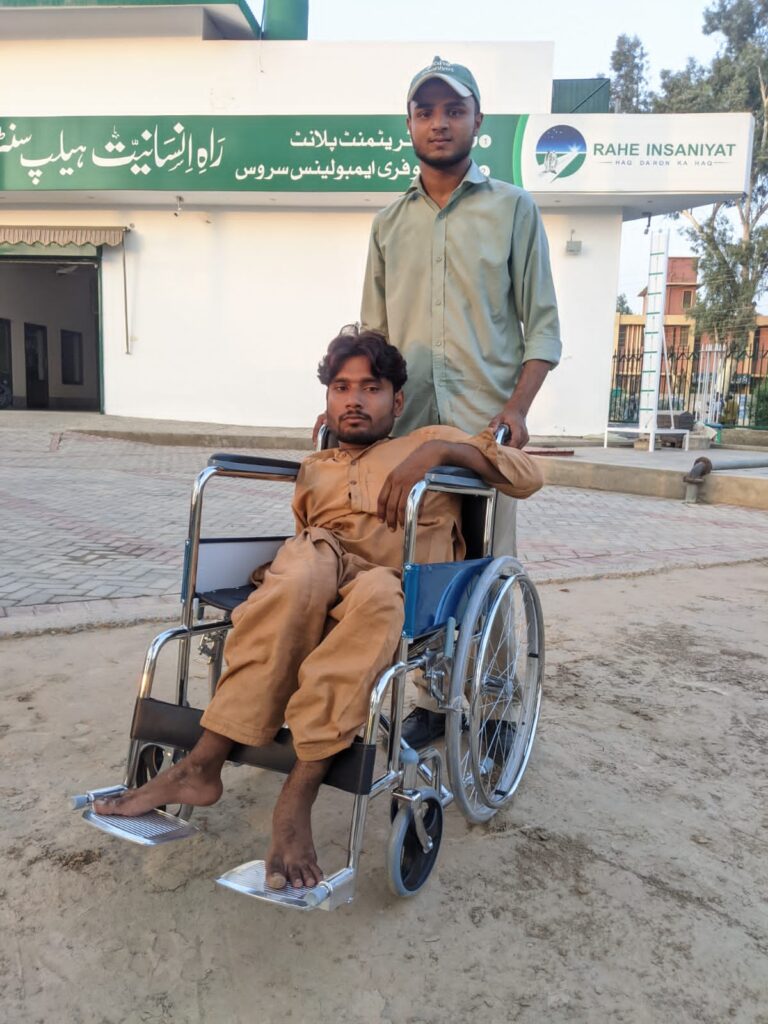
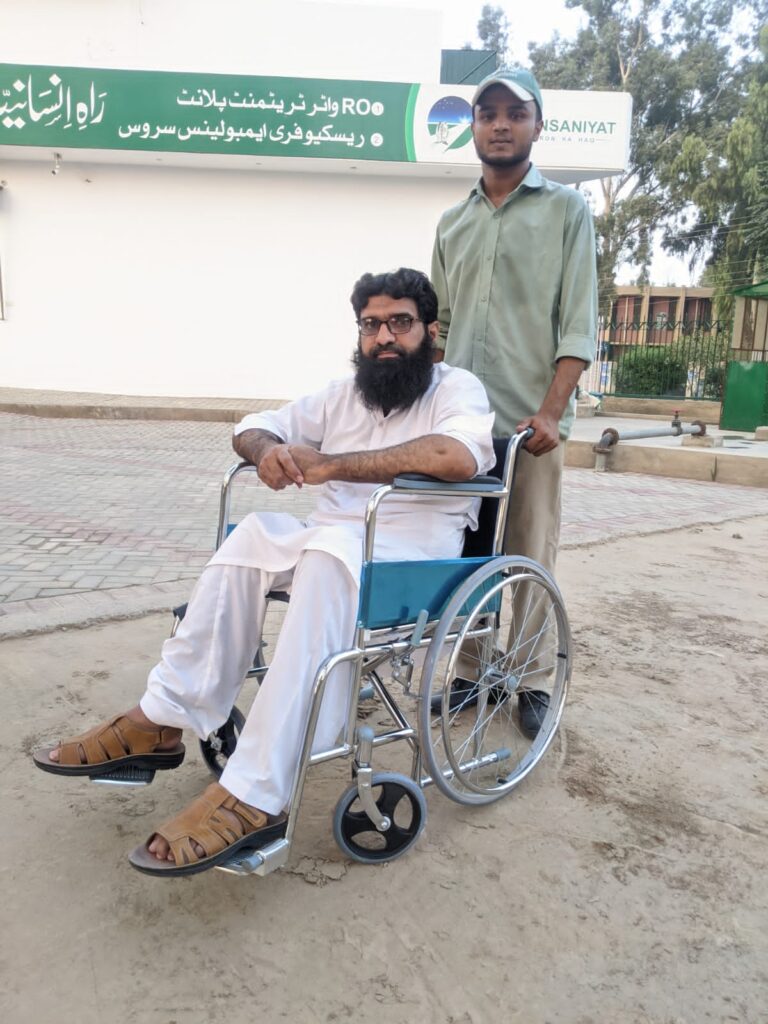
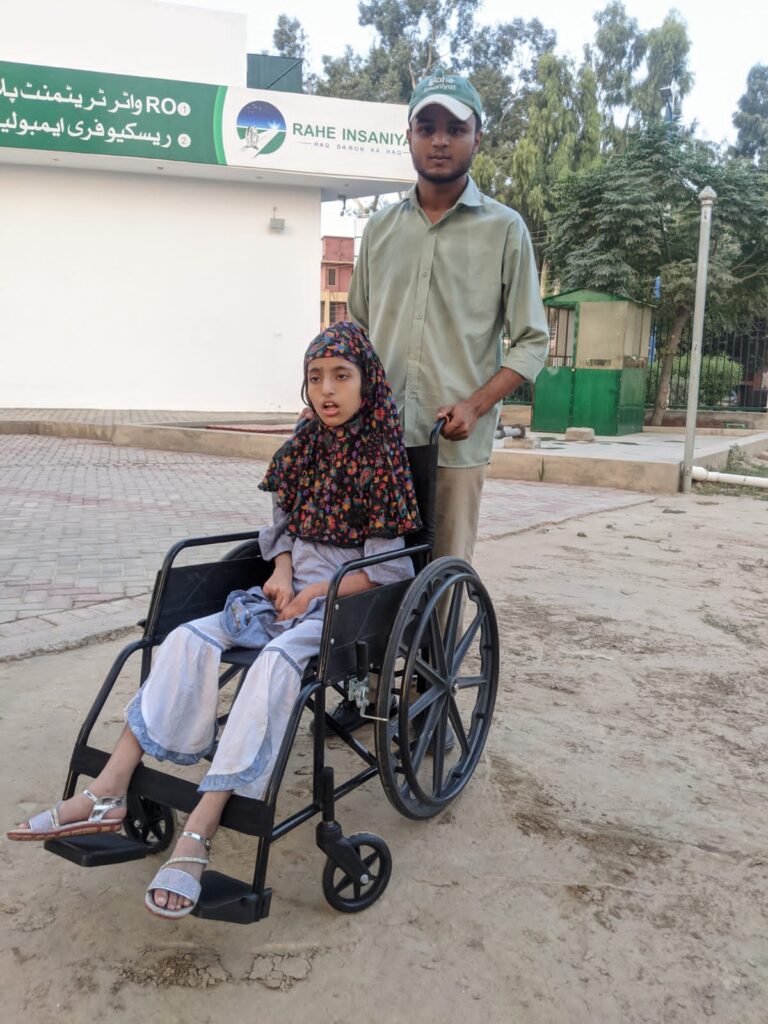
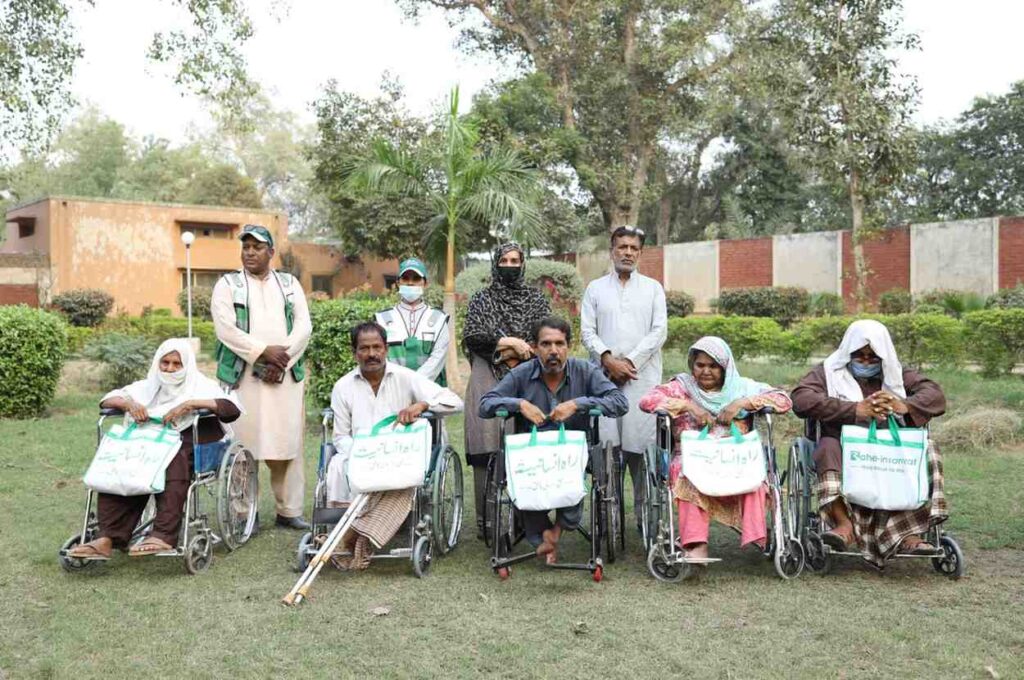
Mobility support is one of the most visible and meaningful parts of Rahe Insaniyat health projects.
Wheelchair distribution is not just about equipment.
It is about restoring movement, independence, and participation in daily life. A wheelchair can help a person travel to treatment, attend school, visit relatives, or simply move through the home and community more safely.
For families, mobility support can reduce physical strain on caregivers and improve routine care.
For recipients, it can help preserve self-respect and confidence.
A responsible wheelchair distribution program also requires basic assessment and matching, because mobility needs vary by age, physical condition, and daily environment. Ethical delivery means providing support in a way that respects the person, not treating them as a photo opportunity.
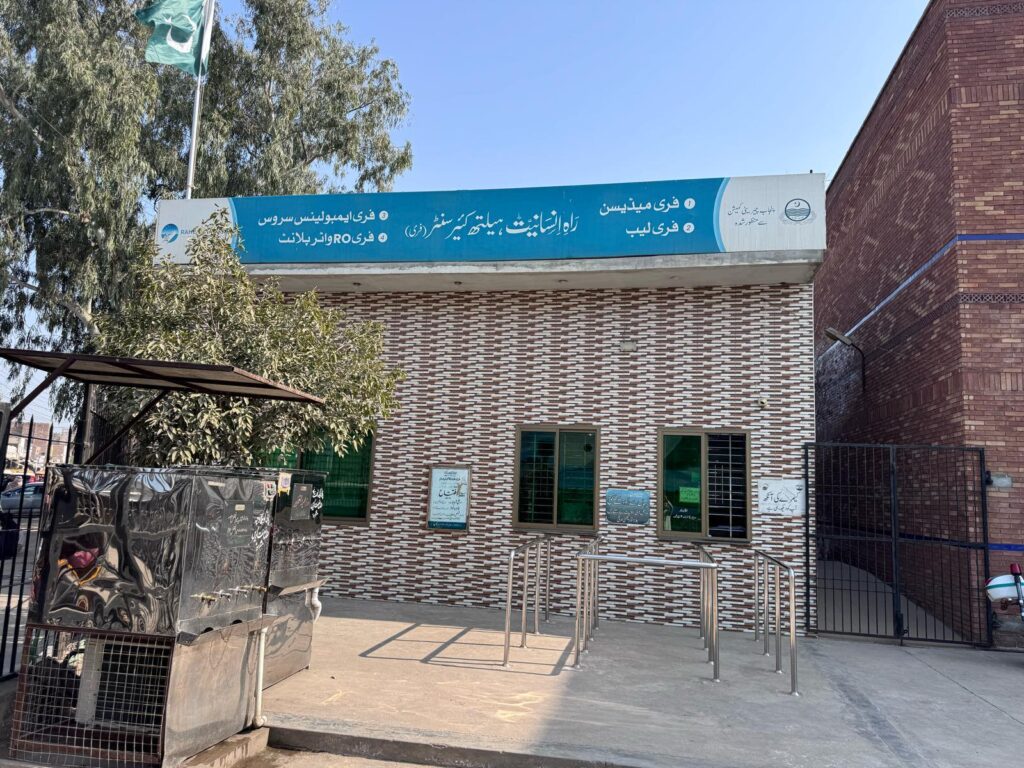
Free Pharmacy Services
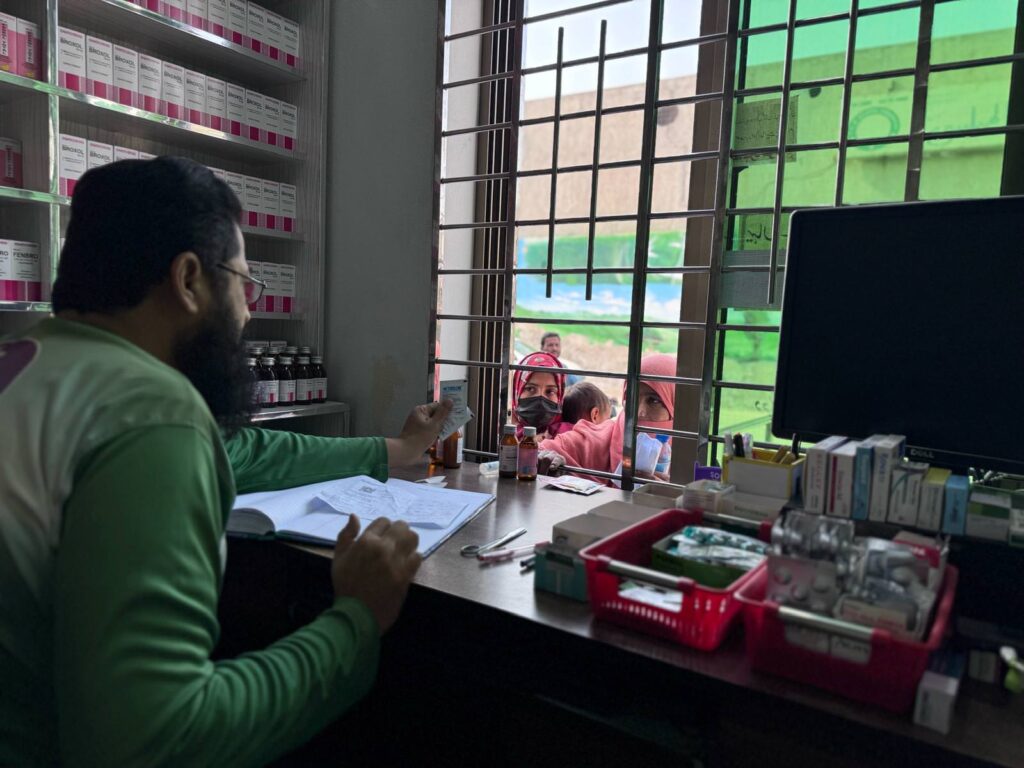
Medicines are often one of the most immediate and recurring healthcare costs for low-income families.
When prescriptions cannot be filled on time, conditions may worsen and lead to more serious complications. In many cases, patients do seek medical advice but struggle to continue treatment due to medicine costs.
Free pharmacy services help address this gap.
Rahe Insaniyat’s health support efforts include free pharmacy assistance for deserving people, helping families access essential medicines they may otherwise be unable to afford. Public references to the organization’s health-related work also mention free pharmacy support among wider welfare services.
This kind of support is especially valuable for households facing repeated medication needs.
It can help families maintain continuity of care, reduce financial pressure, and avoid treatment interruptions.
For an NGO, responsible medicine support should always remain within ethical boundaries.
The role is to assist with access and affordability, not to provide medical advice or replace qualified medical professionals. Clear coordination with prescriptions, patient needs, and available resources helps keep this support practical and trustworthy.
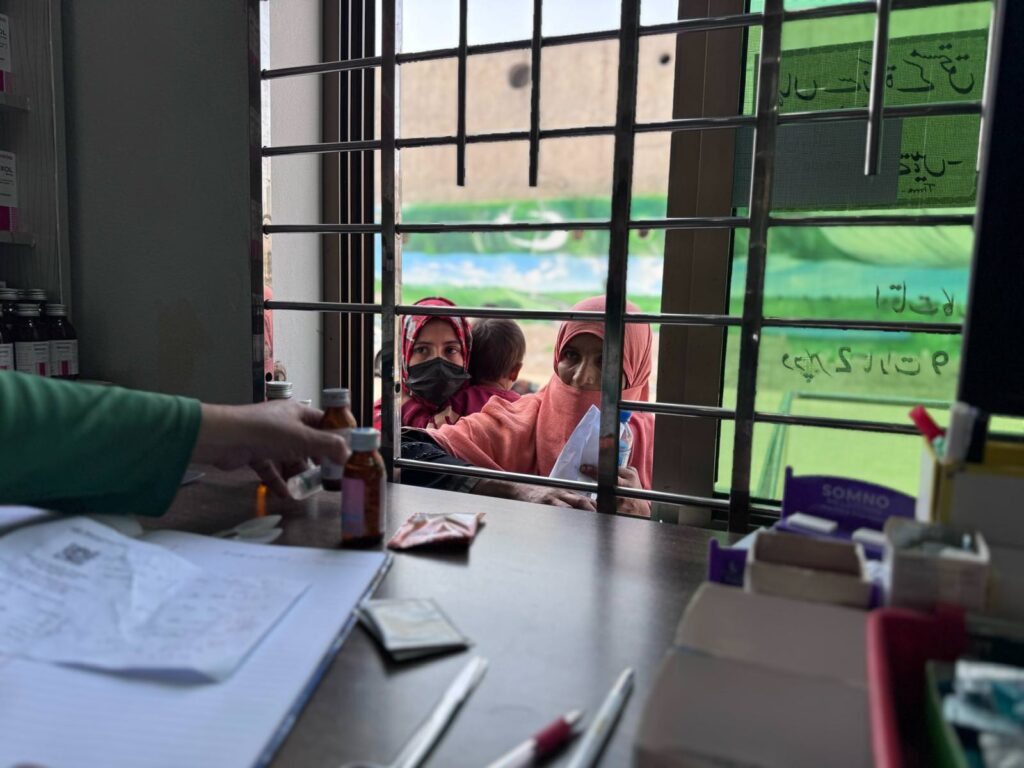
Hospital Supplies and Medical Assistance
 Hospital care can involve many hidden costs beyond consultation and treatment.
Patients and caregivers may need help with basic medical supplies, emergency purchases, transport coordination, or other case-specific needs. These pressures are often most severe during urgent admissions and difficult family situations.
Rahe Insaniyat’s Health Support Program includes hospital-related assistance and coordination for deserving patients.
This support can include helping arrange or provide essential items and practical aid so families can focus on the patient’s care rather than managing every financial and logistical burden alone.
Medical aid charity Pakistan efforts are most effective when they respond to real barriers at the point of need.
Sometimes the need is a medicine.
Sometimes it is a support item.
Sometimes it is simply timely coordination and help navigating a difficult situation.
The strength of hospital assistance lies in responsiveness and dignity.
Families in crisis need calm support, respectful communication, and practical solutions. Humanitarian health work should reduce stress, not add to it.

Dialysis Support and Ongoing Projects
Renal care places a heavy burden on patients and families because treatment is often ongoing, costly, and physically demanding.
For deserving families, dialysis-related expenses can become overwhelming over time. This is why dialysis support is one of the most important areas for long-term humanitarian healthcare planning.
Rahe Insaniyat has indicated dialysis-related support and machines among its ongoing or developing welfare efforts, and the organization also maintains an in-progress projects section on its website.
It is important to speak about this responsibly.
Dialysis support and machine-related initiatives should be described as in progress unless fully operational details are publicly confirmed. Responsible NGO communication avoids exaggerating timelines, capacity, or outcomes.
Even when a project is still developing, community support matters.
Early donations, partnerships, and awareness can help build the foundation for sustainable renal-care support for deserving patients in the future.
One-Off Medical Treatment Support
Not every health case fits into a regular program category.
Some families face urgent or exceptional situations that require one-time support for treatment, medical procedures, or immediate healthcare needs. These cases may arise suddenly and can place a family under intense financial stress.
Rahe Insaniyat also responds to one-off medical treatment needs for deserving individuals when possible.
This type of assistance is an important part of ethical humanitarian work because it allows the organization to remain responsive to real human circumstances, not only fixed program structures.
One-off support should be handled with care, verification, and confidentiality.
Patients deserve help without exposure, and families deserve respectful communication throughout the process.
How You Can Support Health Initiatives
Health support work becomes stronger when communities participate with consistency and care.
There are several meaningful ways to support Rahe Insaniyat health projects and related welfare efforts.
Donations help the organization continue practical assistance such as mobility support, medicines, hospital-related needs, and future health infrastructure initiatives. Readers can contribute through the Donation page.
Supporters can also help by increasing awareness.
Sharing verified information about humanitarian health needs in Pakistan helps more people understand why medical aid charity Pakistan initiatives remain essential for deserving families.
Partnerships can also play an important role.
Pharmacies, medical suppliers, hospitals, local businesses, and community groups may be able to support through materials, referrals, coordination, or service collaboration.
A strong support ecosystem also recognizes that health is connected to other basic needs.
Readers may also explore Rahe Insaniyat Clean Water Projects, Rahe Insaniyat Ration Distribution Program, and Rahe Insaniyat Welfare Construction Initiatives, because clean water, food security, shelter, and healthcare all work together to protect human dignity.
Support does not always have to be large to be meaningful.
Consistent, responsible contributions can help sustain long-term care for deserving people and families facing difficult health conditions.
Donate Now to Provide Monthly Ration Support